- Home
- Walk-Through Metal Detectors
- SMD 600 Plus
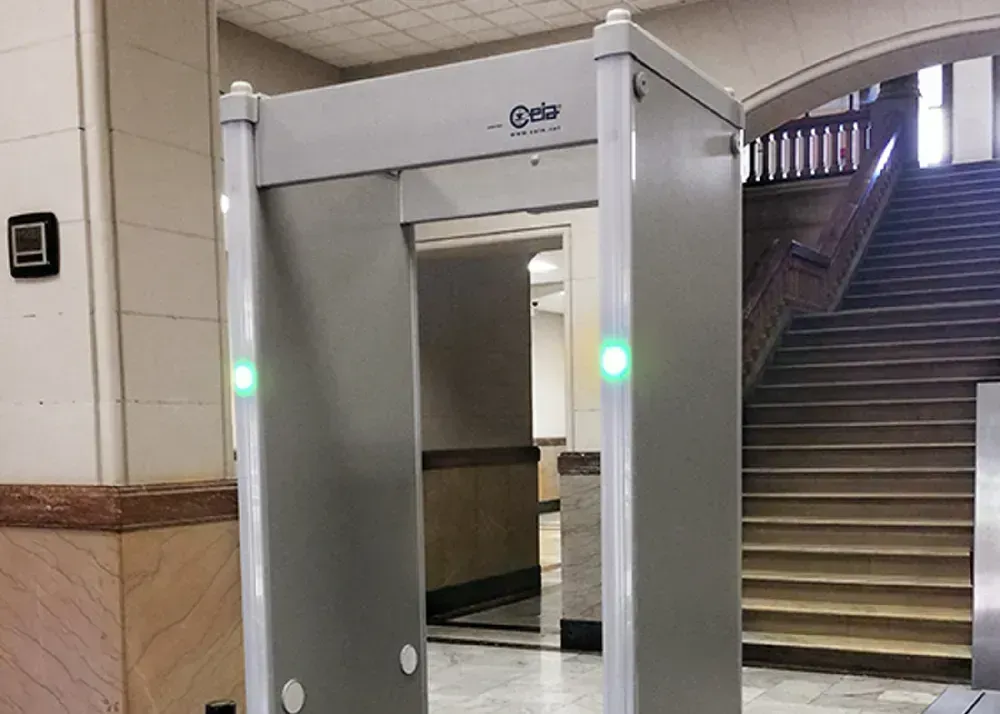
SMD 600 Plus Walk-Through Metal Detector
The CEIA USA SMD 600 Plus is the first metal detector fully compliant with the NIJ-0601.02 Standard for all security levels. Dual 20×2 localization zones identify the position of the metal from the shoe level to the crossbar. Optional MI2 technology detects concealed cellphones.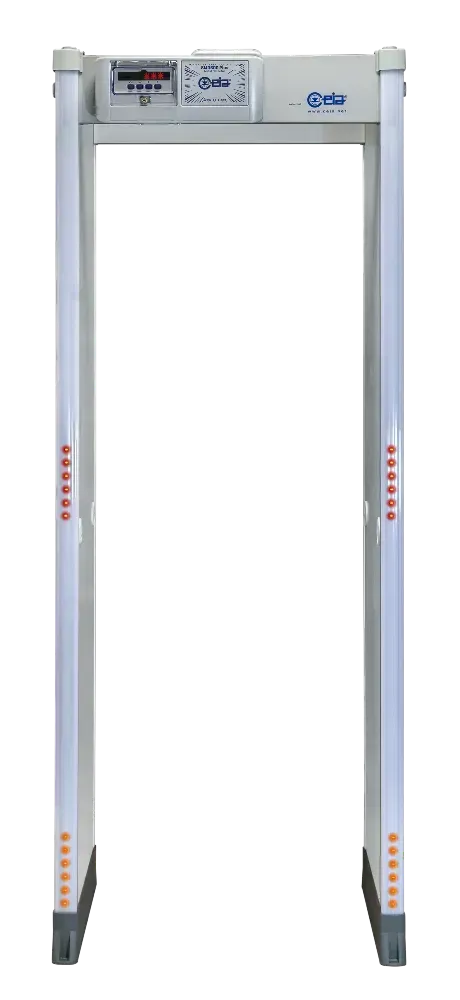
NIJ-Certified High-Sensitivity Metal Detection
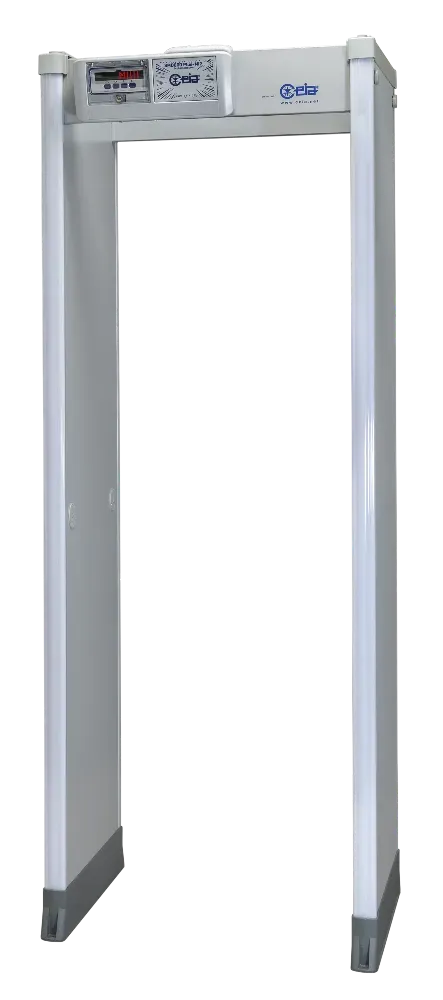
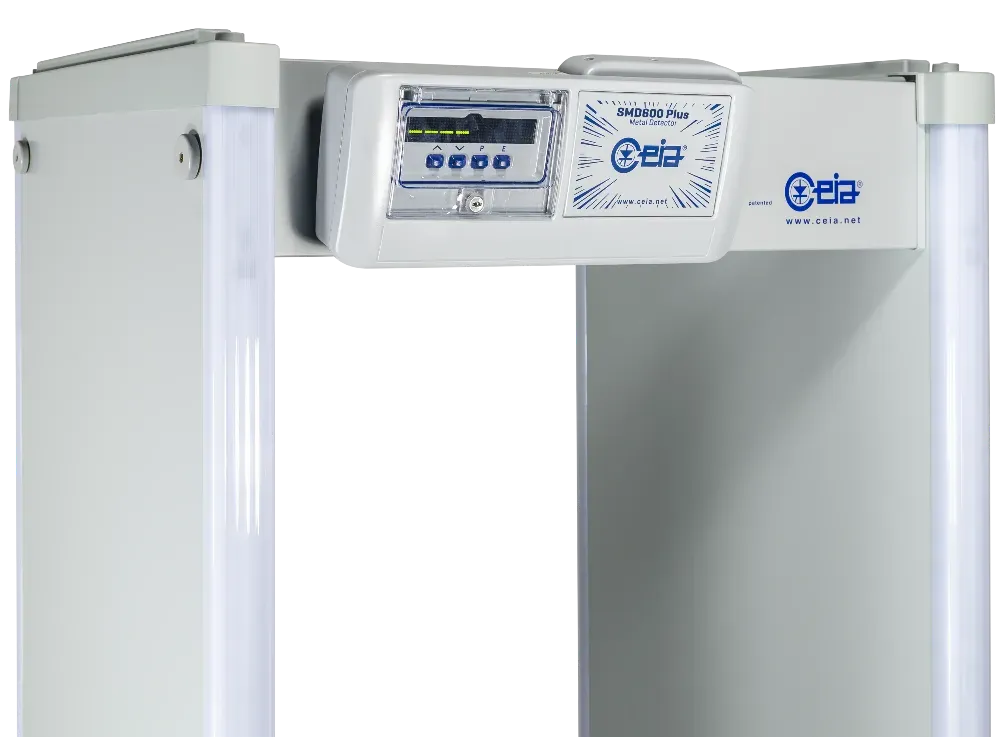
The CEIA USA SMD 600 Plus walk-through metal detector is designed for high-security environments that require both strict threat detection and fast screening throughput. Fully compliant with the NIJ-0601.02 Standard, it delivers reliable detection performance for correctional facilities, airports, government buildings, and other critical infrastructure. The system analyzes the entire body from the shoe level to the crossbar and detects metallic threats and contraband while accurately identifying the location of detected metal objects. Dual-side 20×2 localization zones pinpoint the vertical position of metal on the body, allowing security personnel to quickly identify threat locations.
Met-Identity technology distinguishes between ferrous and non-ferrous metals using separate alarm signals to assist secondary inspection decisions. Advanced discrimination technology allows common personal items such as belts, coins, keys, jewelry, watches, and wallets to pass without triggering alarms, reducing nuisance alerts and improving screening flow. With a reset time as short as 0.2 seconds, detection speeds up to 50 ft/sec, and transit flow rates five or more times greater than other metal detection systems, the SMD 600 Plus supports efficient screening in high-traffic security checkpoints. The waterproof control unit ensures reliable indoor and outdoor operation, while optional upgrades such as the MI2 sensor enable detection of concealed smartphones and cellphones.
Where SMD 600 Plus Excels


Key Features & Benefits
Specifications
Met-Identity Technology
Met-Identity technology provides separate ferrous and non-ferrous alarm signaling, allowing operators to understand the type of metal that triggered the alarm rather than just detecting metal in general. This additional information helps security personnel interpret alarms more quickly, distinguish between different types of objects, and perform more efficient secondary screening.